Explore the Work
Discover authentic handmade embroidery and the artisans behind each piece.
Explore the Work →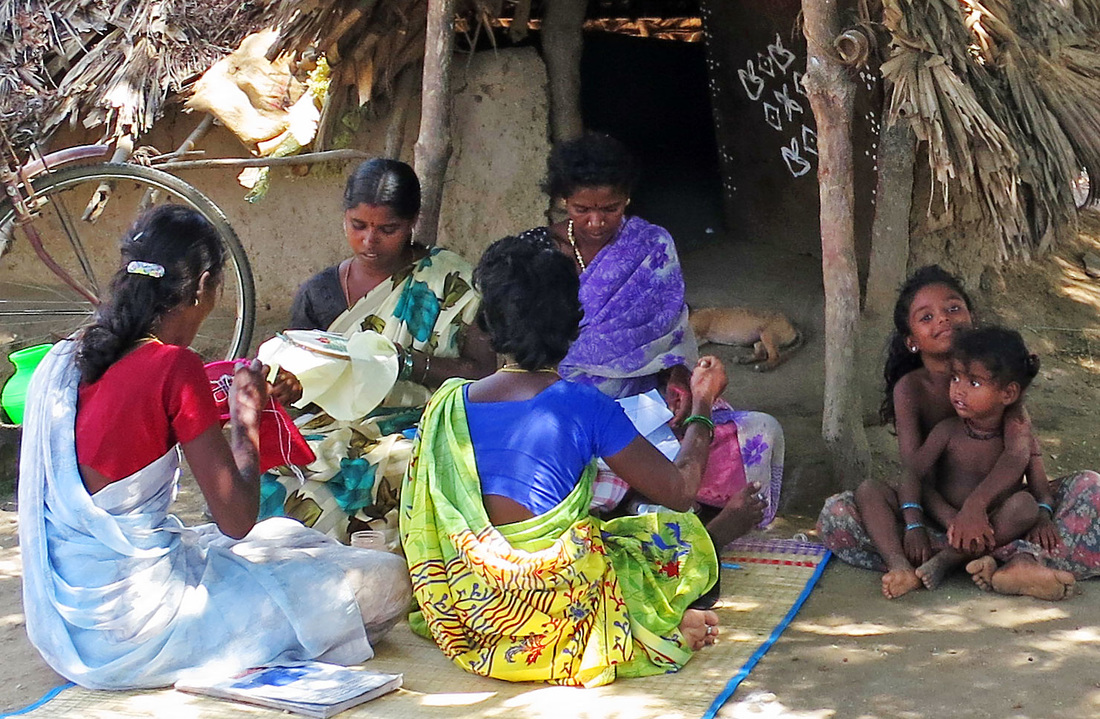
Irular Tribal Art · Tamil Nadu, India
Handcrafted Heritage. Empowering Irular Artisans Through Traditional Embroidery.
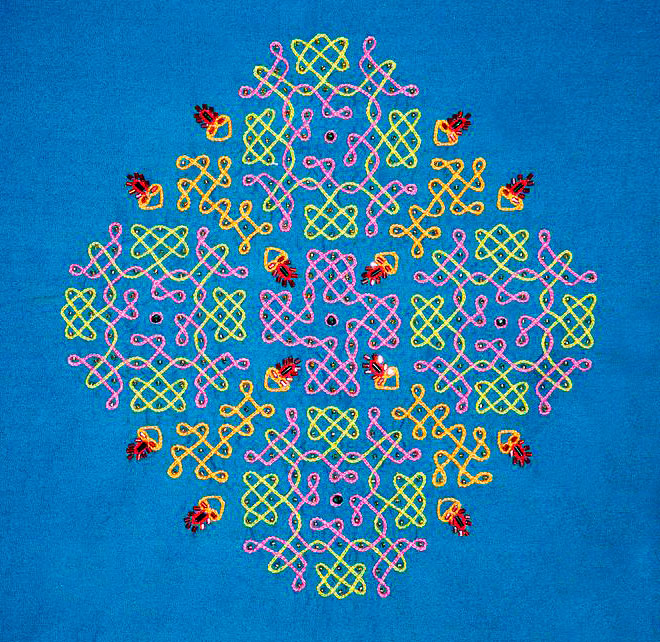
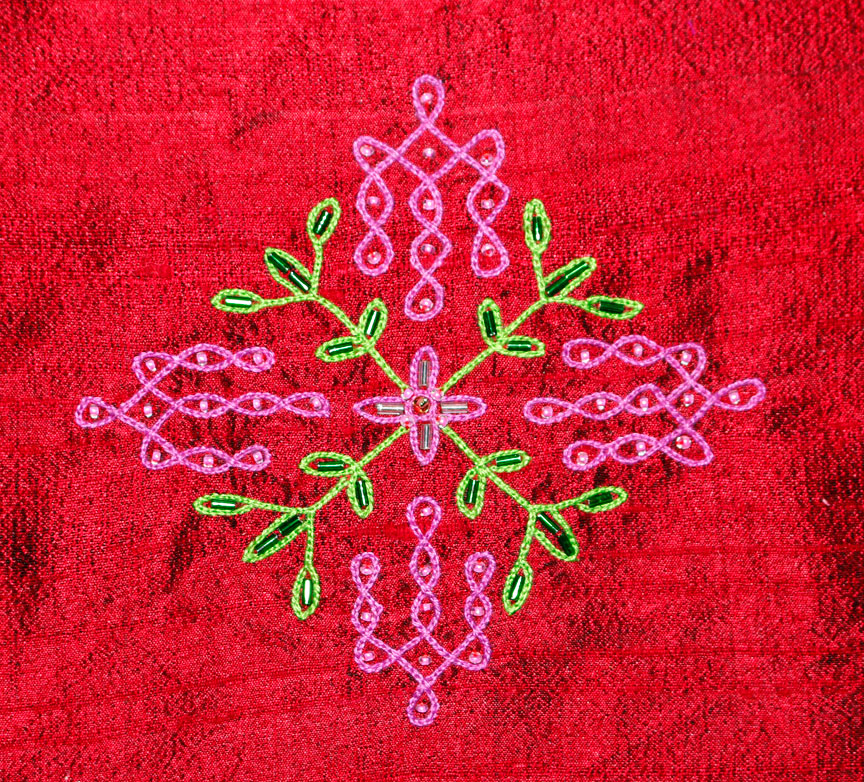
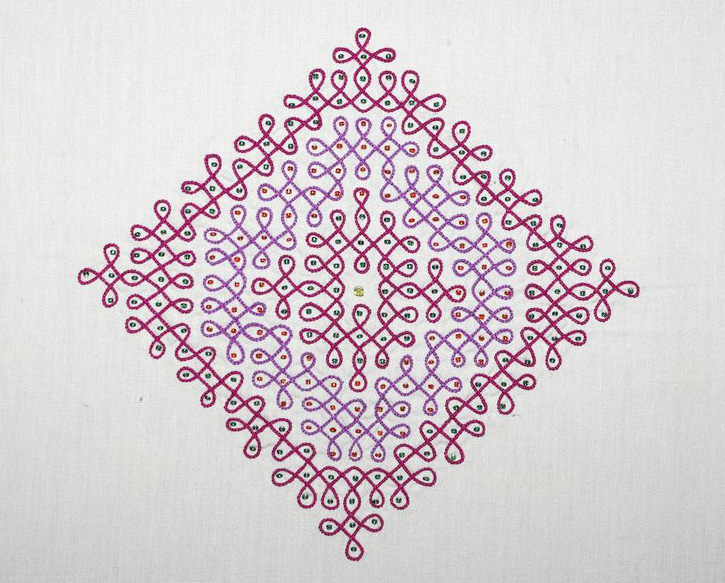
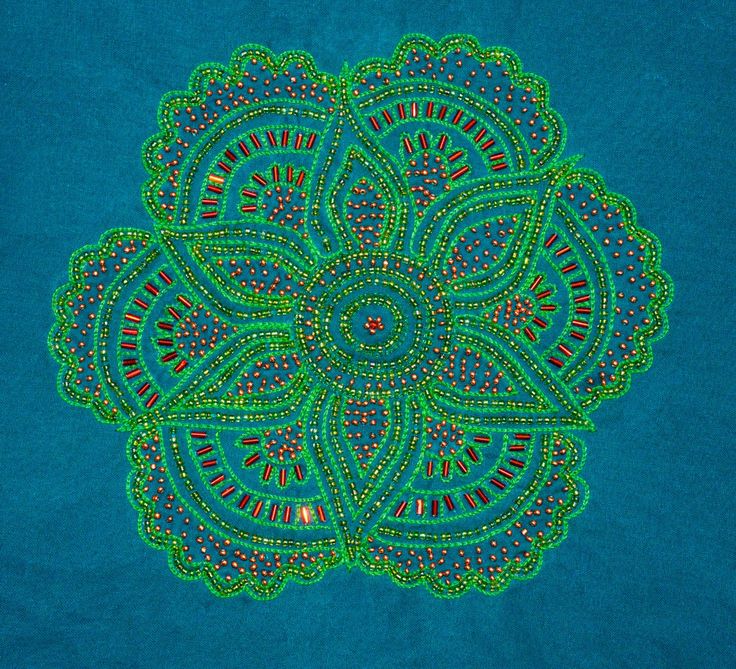
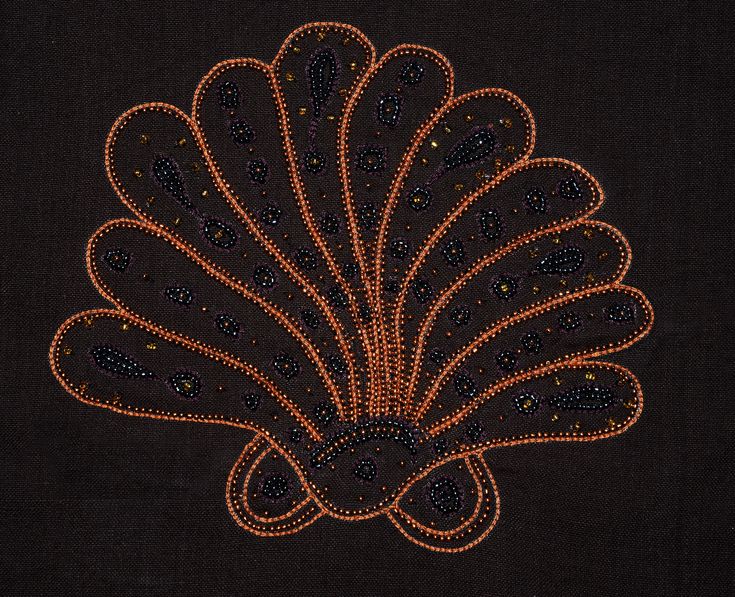
Kolam-inspired sacred geometry, stitched by hand in the villages around Mamallapuram — every piece signed by the woman who made it.
Start here
KANIMAR is authentic handmade embroidery created by Irular artisans of Tamil Nadu. Explore the catalogue, shop ready pieces, or ask for something made just for you.
Discover authentic handmade embroidery and the artisans behind each piece.
Explore the Work →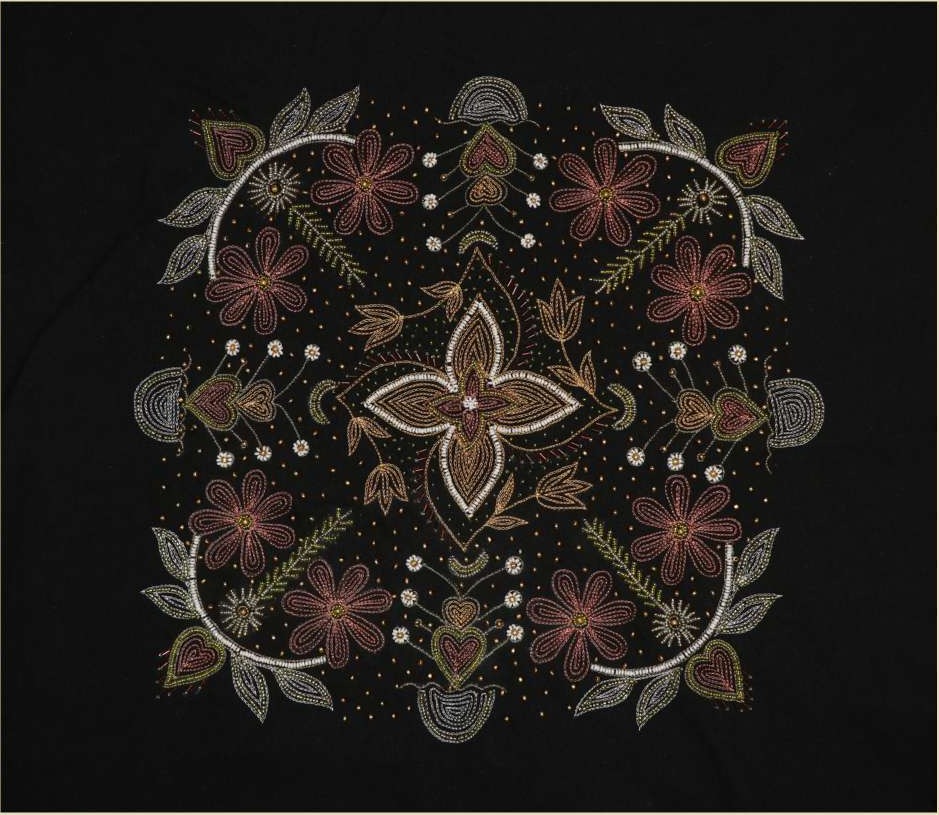
Our Story
Kanimar is the tutelary goddess of the lowland Irular people of Kanchipuram District in Tamil Nadu — the first among the Ezhu Kaniamman, the Seven Maiden Goddesses whom the Irular worship by fire-walking and oracular trance.
With the permission of the Irular women who create this embroidery, this house was named after her, so that her blessing might carry the work into the wider world.
KANIMAR grew out of sewing classes offered since 2005 by South Asian Village Empowerment and its Indian partner, Tamil Nadu Village Outreach, to women in the Tiruporur Block. The Irular had no surviving traditional handicraft — yet they proved to be highly skilled, wholly original hand embroiderers.
The Work
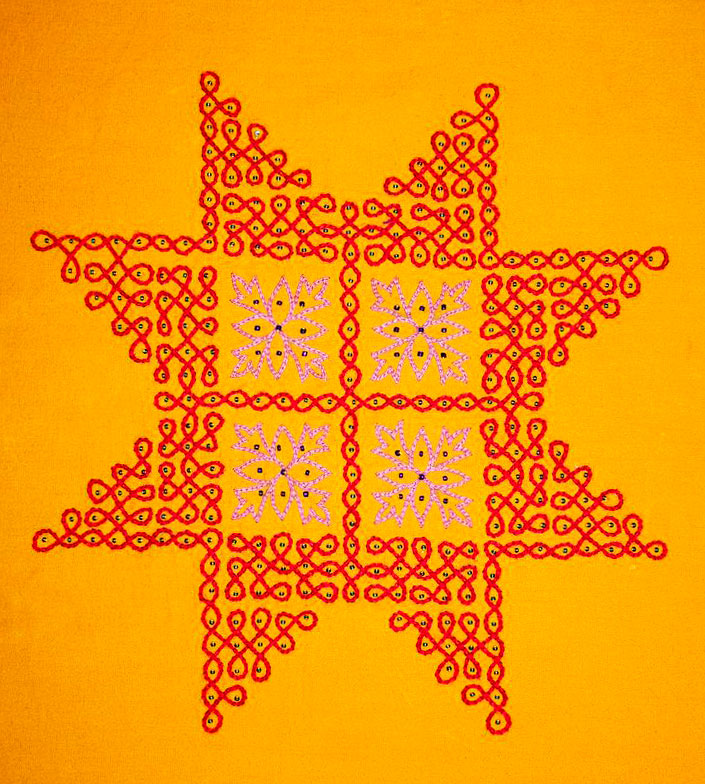
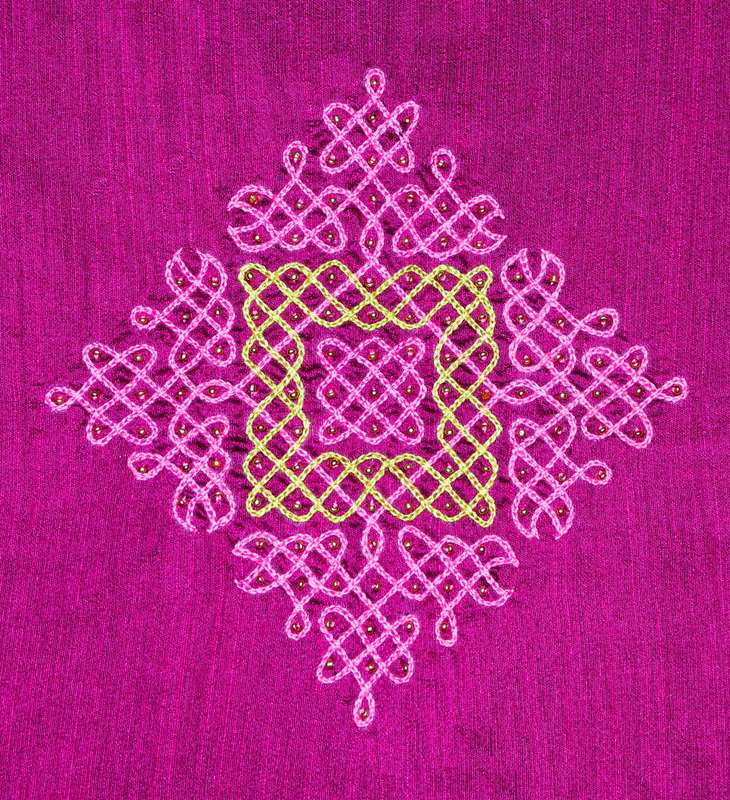
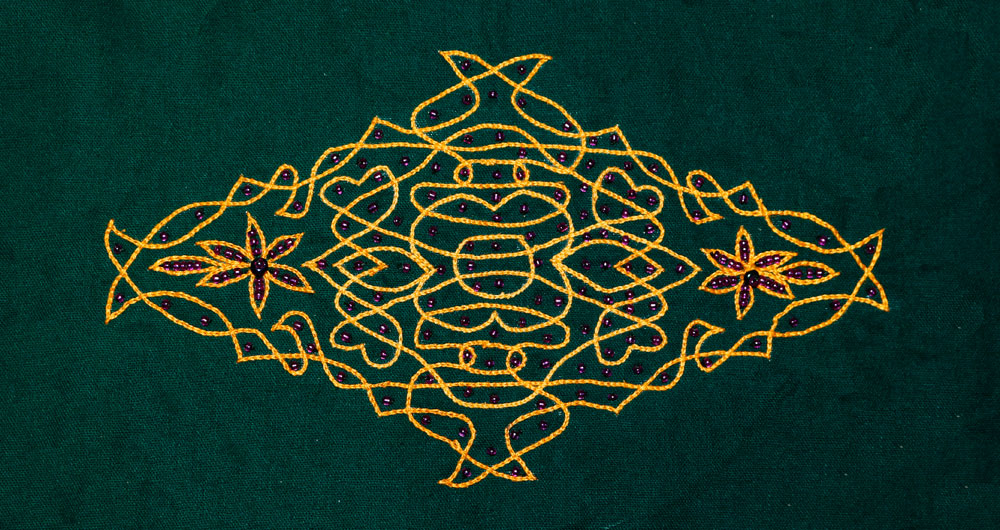
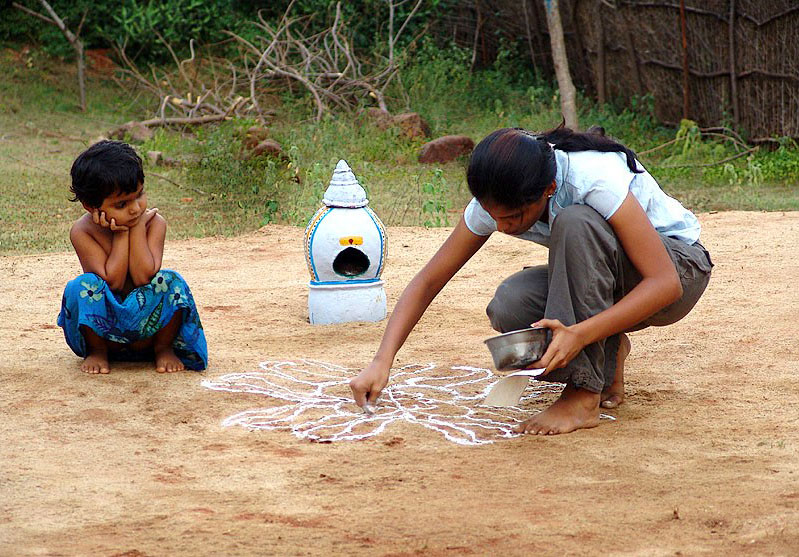
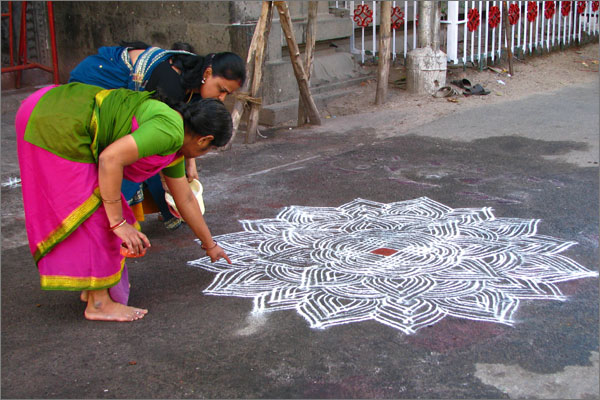
Every piece begins as a kolam — a sacred geometric drawing traditionally poured in rice paste at the threshold of a Tamil home. In our workshop, the same lines are stitched by hand into cloth.
The Irular Community
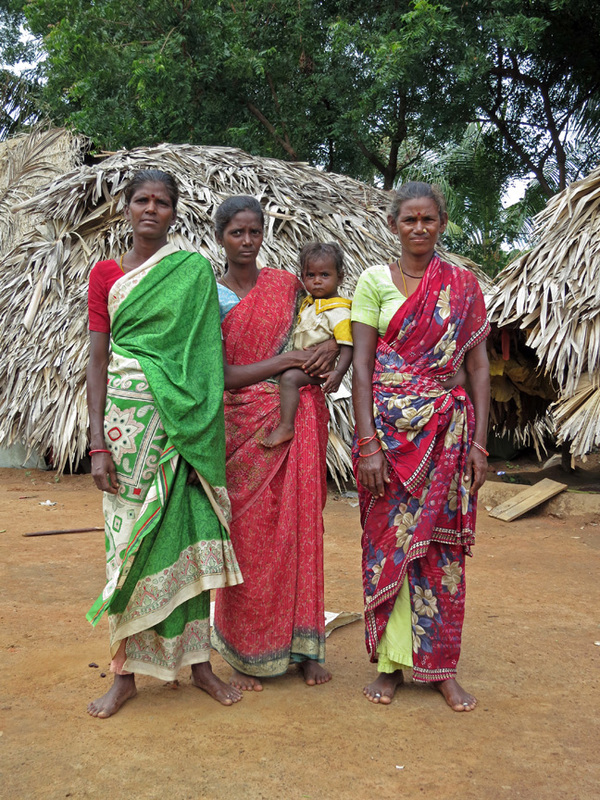
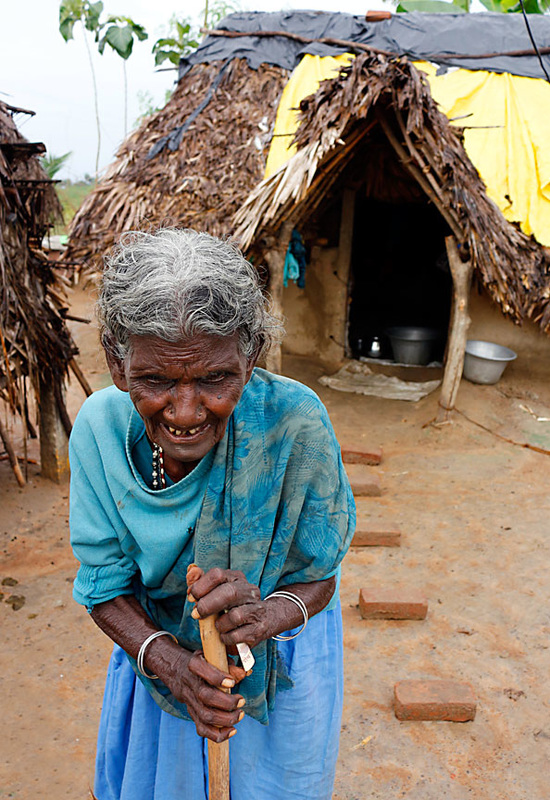
The Irular are an indigenous, scheduled tribal people of northern Tamil Nadu — in all likelihood descendants of the aboriginal forest-dwelling hunter-gatherers who inhabited peninsular South India long before the coming of the agriculturalist Tamils.
Their traditional livelihood — the catching of snakes — survives today only in venom extraction. Most Irular families support themselves as daily-wage laborers, wood-cutters and agricultural workers, and are often vulnerable to bonded-labor schemes.
And yet, as the community itself will tell you, the real story of the Irular lives in the shine of their smiles, their humble down-to-earth nature, and their searing honesty and good will.
Kolam · Sacred Geometry
Walk through a Tamil village at dawn and you will see women bent at every threshold, pouring rice paste into unbroken geometric lines. In Tamil, kolam means beauty, form, and play.
The kolam invites the goddess Lakshmi, guardian of rice and earth. It acts as a net for wandering emotions, a protective screen at the doorway, and a signal that a goddess — the housewife — lives within.
Our embroidery carries the same geometry from threshold to cloth: a blessing you can wear, hold, and take home.
Meet Our Artisans
A few of the Irular women embroiderers whose work appears on this site. Each piece you receive carries her name and her village.
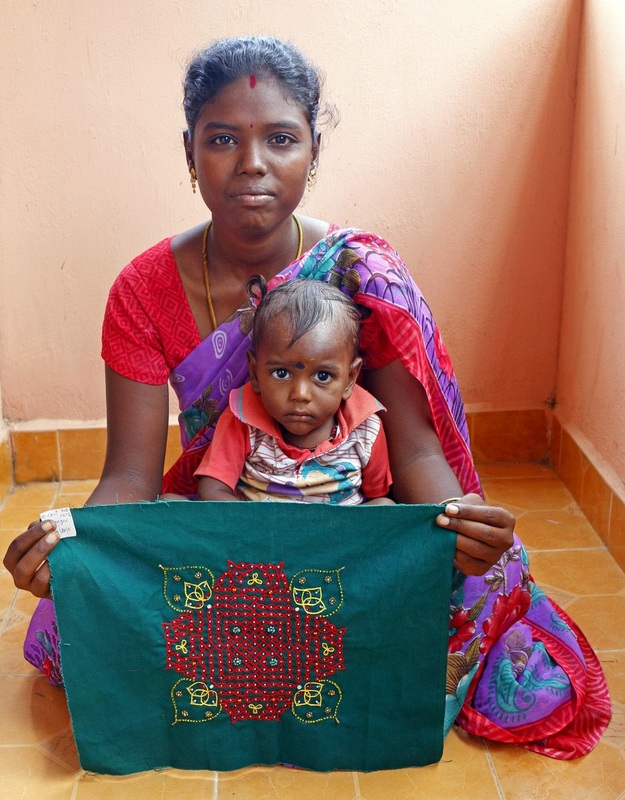
Anna Nagar
Embroidering since 2014. Her daughter attends the village primary school through the SAVE scholarship program.
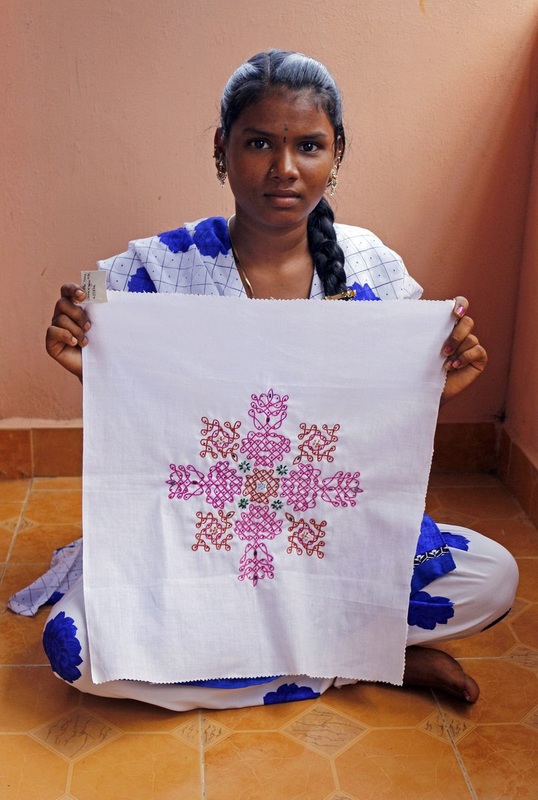
Anna Nagar
Joined the embroidery group in October 2015 at nineteen — still a student of the art form, learning from the elders.
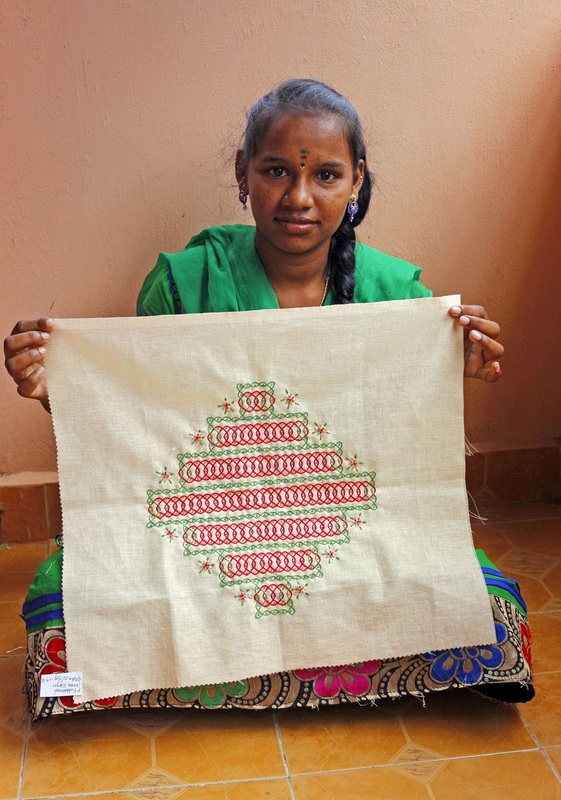
Anna Nagar
Joined the group in August 2015 alongside her close friend Sudha, learning kolam-inspired stitchwork.
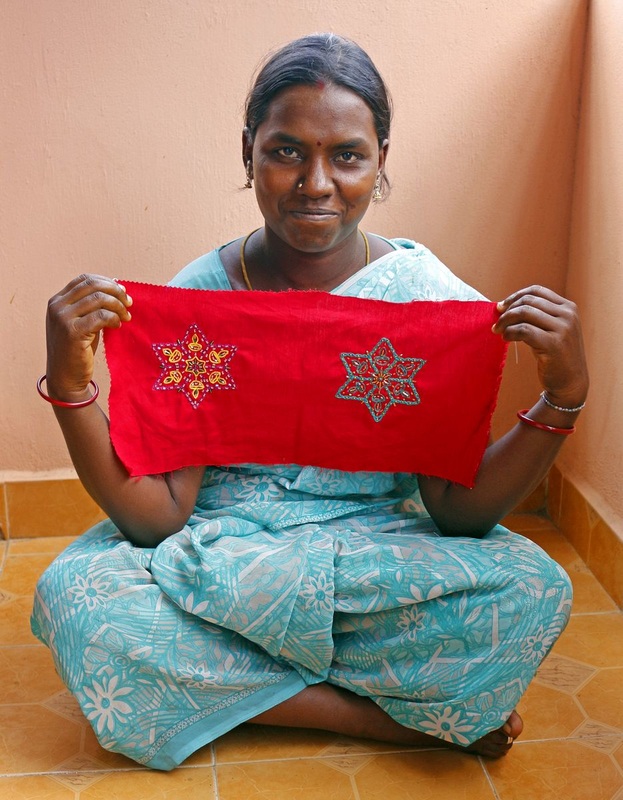
Jeeva Nagar
Embroidering since 2014. Known in the group for the most exquisitely detailed stitching.
From Village to Your Home
A motif is drawn freehand from kolam and forest imagery.
Cotton is stretched on a wooden aari frame in the artisan's home.
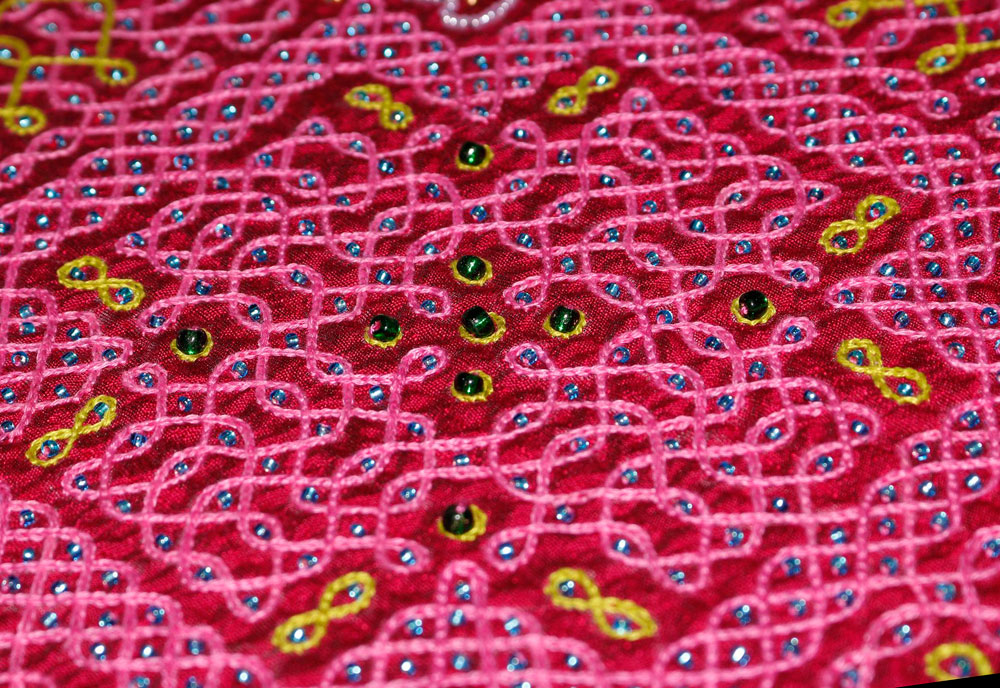
Weeks of patient thread and beadwork, stitched one line at a time.
Edges are hand-finished; the maker signs the piece.
The artisan is paid directly — no middlemen, no commissions.
Wrapped in unbleached cotton with the artisan's story.
Empowering Women Through Craft
"If you educate a man you educate an individual, but if you educate a woman you educate a nation." Every KANIMAR piece pays an Irular woman directly for her skill — helping her family, her daughters, and her village.
Every stitch made by an Irular woman's own hand — never by machine.
Fair wages paid directly to the artisan for every commissioned piece.
Techniques rooted in kolam — the sacred threshold art of Tamil Nadu.
Every piece carries the name of the woman who stitched it.
Behind the Craft
Short films of the artisans at their aari frames, kolam being poured at dawn, and life in the villages around Mamallapuram.
Video placeholder — awaiting official Kanimar footage
Every Stitch Tells a Story